


Big changes are shaking up Pakistan’s pharmaceutical industry. Several global giants; Bayer, ICI Pakistan, Sanofi-Aventis, Pfizer, and Novartis are pulling back from direct manufacturing, shifting ownership of their local operations to domestic firms. They’re not vanishing from the market, but this move marks a serious turning point.
In a recent briefing to Pakistan’s National Assembly, officials confirmed what people in the field already suspected: these companies have either sold off their manufacturing units or handed them over to local players. It’s a sign of pressure mounting on foreign companies, and at the same time, it’s giving local pharma firms a bigger piece of the pie.
The Five Companies and Their Exit Plans
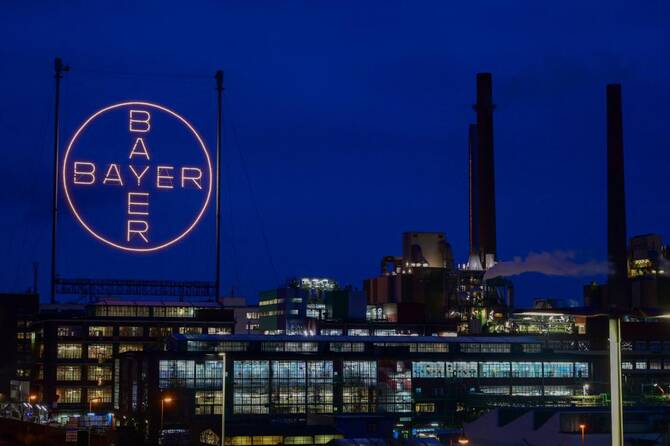
Bayer
Bayer has sold its manufacturing unit to a domestic company. The move lines up with Bayer’s global strategy; it doesn’t see local production in Pakistan as part of the plan anymore.
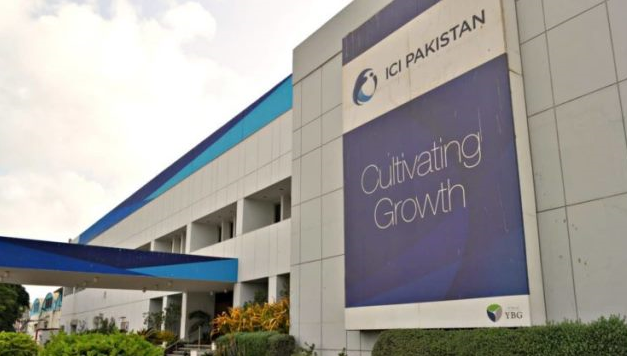
ICI Pakistan
ICI Pakistan, now known as Lucky Core Industries, has completely stepped away from pharma production. They handed off their pharma assets to the private sector and are focusing on other industries under their new name.
Sanofi-Aventis
Sanofi-Aventis has divested its Korangi plant, a major site. This isn’t a total exit, they’re restructuring, letting the business continue under local ownership.
Pfizer
Pfizer sold its Karachi manufacturing site to Lucky Core Industries. The company is shrinking its physical presence, but its products will stick around through imports and licensing deals.
Novartis
Novartis has shifted its Pakistan operations to International Investment II Limited. Even though ownership changed, Novartis says medicine supplies will continue as before, so, more of a corporate shuffle than a shutdown.
So, what’s driving these exits? A few things stand out.
Why These Exits Are Occurring
There are several reasons driving companies out of Pakistan:
Rising Production Costs
Local production costs keep rising. High expenses and tight price controls squeeze profits, making manufacturing tough to sustain.
Currency Instability
Rupee’s constant ups and downs make it a headache for multinationals trying to import raw materials and keep prices steady.
Regulatory Challenges
Regulatory hurdles are another big frustration. Companies complain about slow decisions on pricing, product approvals, and compliance.
Strategic Global Shifts
Many global companies are changing their game plan. They’re opting for leaner operations worldwide, favoring partnerships and licensing over running big local factories.
What does all this mean for Pakistan’s pharma sector?
Supply Concerns
For starters, people worry about whether specialized or cutting-edge medicines will stay available if multinationals keep scaling back.
Growth for Domestic Companies
Local companies are getting bigger roles by snapping up manufacturing facilities. This could boost local production and give Pakistan more control over essential medicines.
Pressure on Policy Reform
This increases pressure on policymakers. The departure of these global players makes it clear: Pakistan needs better, more predictable rules and pricing structures.
Impact on Patients
For patients, any hiccups in supply or drops in quality can hit hard, especially for those relying on chronic or lifesaving treatments.
Turning Point for the Industry
So, is this the end for Pakistan’s pharma industry? Not at all. It’s a big shift, not a collapse. Multinationals are stepping back from making drugs locally, but they’re still in the game through imports, partnerships, and licensing.
Now, local firms, regulators, and policymakers have more responsibility on their shoulders. The way they handle this moment will decide if Pakistan’s pharma industry grows stronger and more independent, or if it faces more turbulence ahead.
