


Rethinking What We Throw Away
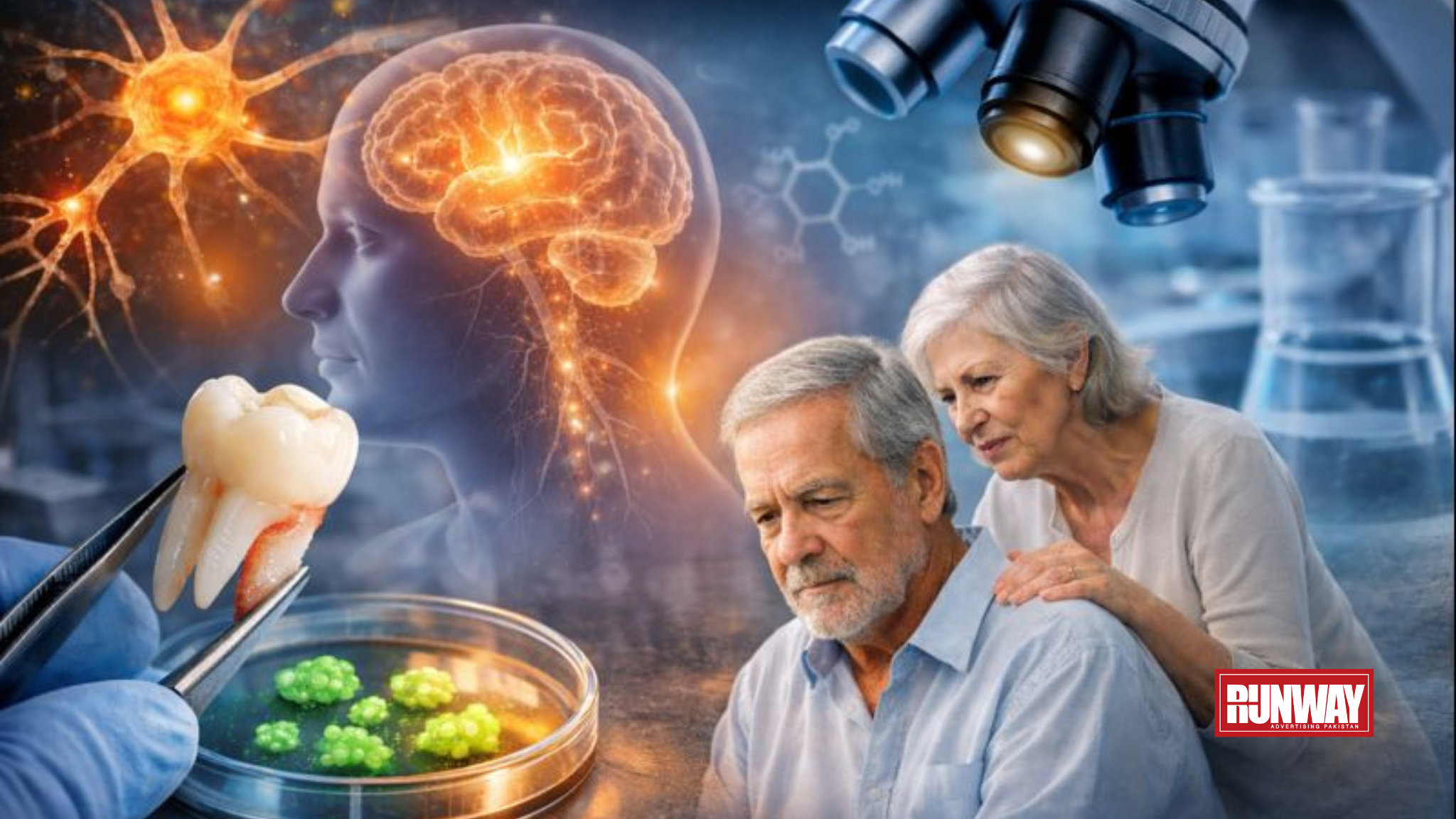
Wisdom teeth are usually treated as a problem to be removed and forgotten. For decades, extracted teeth have been considered medical waste, discarded immediately after surgery. Recent research, however, challenges that assumption. Scientists are now finding that wisdom teeth may contain valuable biological material with serious medical potential.
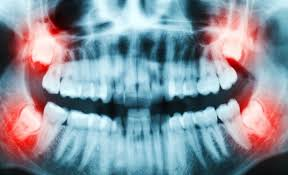
What once caused pain and inconvenience may turn out to be an unexpected resource in regenerative medicine.
The Science Inside a Wisdom Tooth
At the center of this discovery is the dental pulp, the soft tissue found inside wisdom teeth. This pulp contains a special type of stem cell known as dental pulp stem cells. These cells originate from the neural crest, which means they share a close developmental link with brain and nerve cells.
Because of this connection, researchers believe these stem cells can be trained to behave like neurons or support damaged nerve tissue. This makes them particularly promising for studying and potentially treating neurological disorders.
Why These Stem Cells Matter for Brain Diseases
Conditions such as Alzheimer’s and Parkinson’s are caused by the gradual loss of neurons in the brain. Current treatments mostly focus on managing symptoms rather than repairing damage. Stem cells from wisdom teeth offer a different approach. They may help replace damaged cells or create a supportive environment that slows disease progression.
One professor leading this research has demonstrated that stem cells extracted from wisdom teeth can be grown in laboratories and preserved for long periods. Since the cells come from a patient’s own body, the risk of immune rejection is significantly reduced.
A Future of Personal Stem Cell Banking
This research opens the door to an idea known as personal stem cell banking. A tooth removed in early adulthood could be stored and used later in life if medical treatments advance far enough. What is now a routine dental procedure could become a form of long-term biological preparation.
While this concept is still in the research phase, it represents a shift toward personalized medicine using materials that were previously overlooked.
Ethical, Medical, and Practical Considerations
Despite its promise, this technology is not yet ready for widespread clinical use. Scientists must ensure that these stem cells are safe, effective, and stable over time. There are also practical questions around cost, storage, and access, especially in developing healthcare systems.
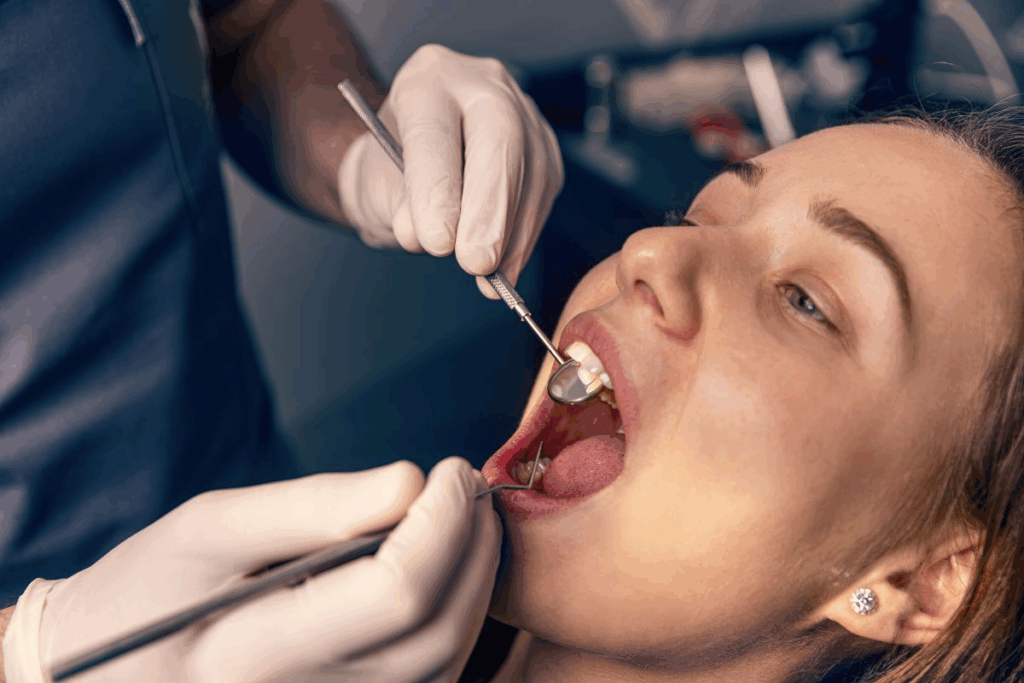
Ethically, however, wisdom tooth stem cells raise fewer concerns than embryonic stem cells, since they are obtained without harm and from the patient’s own body.
Conclusion: Medical Gold in an Unlikely Place
The idea that wisdom teeth could help treat Alzheimer’s or Parkinson’s forces us to rethink the value of so-called biological waste. What dentists throw away today may become a critical medical tool tomorrow.
As research continues, wisdom teeth may no longer be seen as a nuisance, but as a quiet investment in future health. Sometimes, the most important breakthroughs are hiding in the most ordinary places.
