



Pakistan just took a big leap into the world of digital innovation. The country has launched Qalb, its first Urdu-focused ChatGPT. It’s a huge deal for anyone who speaks or writes in Urdu. The brains behind this project? Taimoor Hassan is a Pakistani student studying in the US. Folks are already calling Qalb a breakthrough for Urdu natural language processing.
A Milestone in Pakistan’s Digital Journey
This launch is a real turning point for Pakistan’s tech scene. While most AI models out there stick to English or try to juggle multiple languages at once, Qalb dives straight into Urdu and nothing else. That’s exactly what Pakistan needed, an AI that actually gets local language and context.

The World’s Largest Urdu AI Model
Qalb isn’t just another chatbot, either. It’s the world’s largest Urdu language model, trained on almost two billion tokens. The team didn’t cut corners, putting Qalb through its paces across more than seven international benchmarks. The results? Qalb beats every other Urdu AI out there, especially when it comes to handling real-life questions and conversations.

Taimoor Hassan: The Mind Behind Qalb
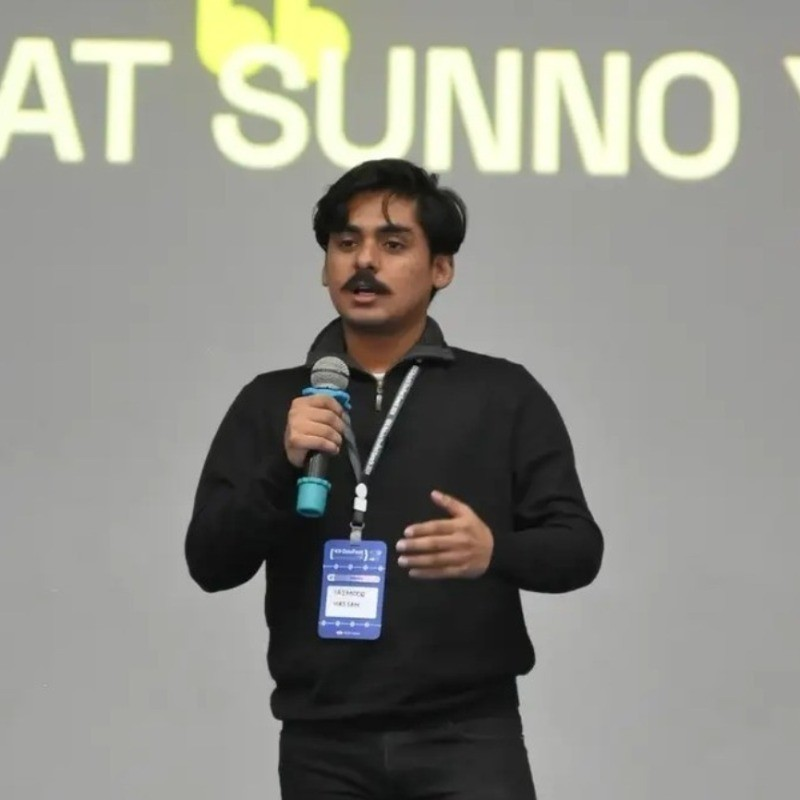
Taimoor Hassan leads the charge here. He’s already launched and sold thirteen startups (not bad for someone still in school), picked up international awards like the Microsoft Cup, and represented Pakistan on the global stage. He wrapped up his computer science degree at FAAST University and is now deep into his studies in the US, all while pushing the boundaries of tech and AI back home. Qalb wouldn’t be what it is without his drive and vision.
Setting a New Standard for AI in Pakistan
Now, Pakistan has a powerful AI model that really understands Urdu: not just the words, but the way people use them. This changes the game for education, digital media, communication, and so much more. Experts see Qalb as the first step toward more advanced Urdu tech, and a project that’s likely to spark even bigger AI ambitions in Pakistan.
With Qalb, Pakistan is showing it has serious AI chops and is ready to make its mark globally. As more countries look for tech solutions that speak their own language, Qalb stands out as proof that homegrown innovation matters. It’s a reminder that technology should reflect the voices and cultures of the people who use it.
