


A LinkedIn Experiment That Raised a Bigger Question
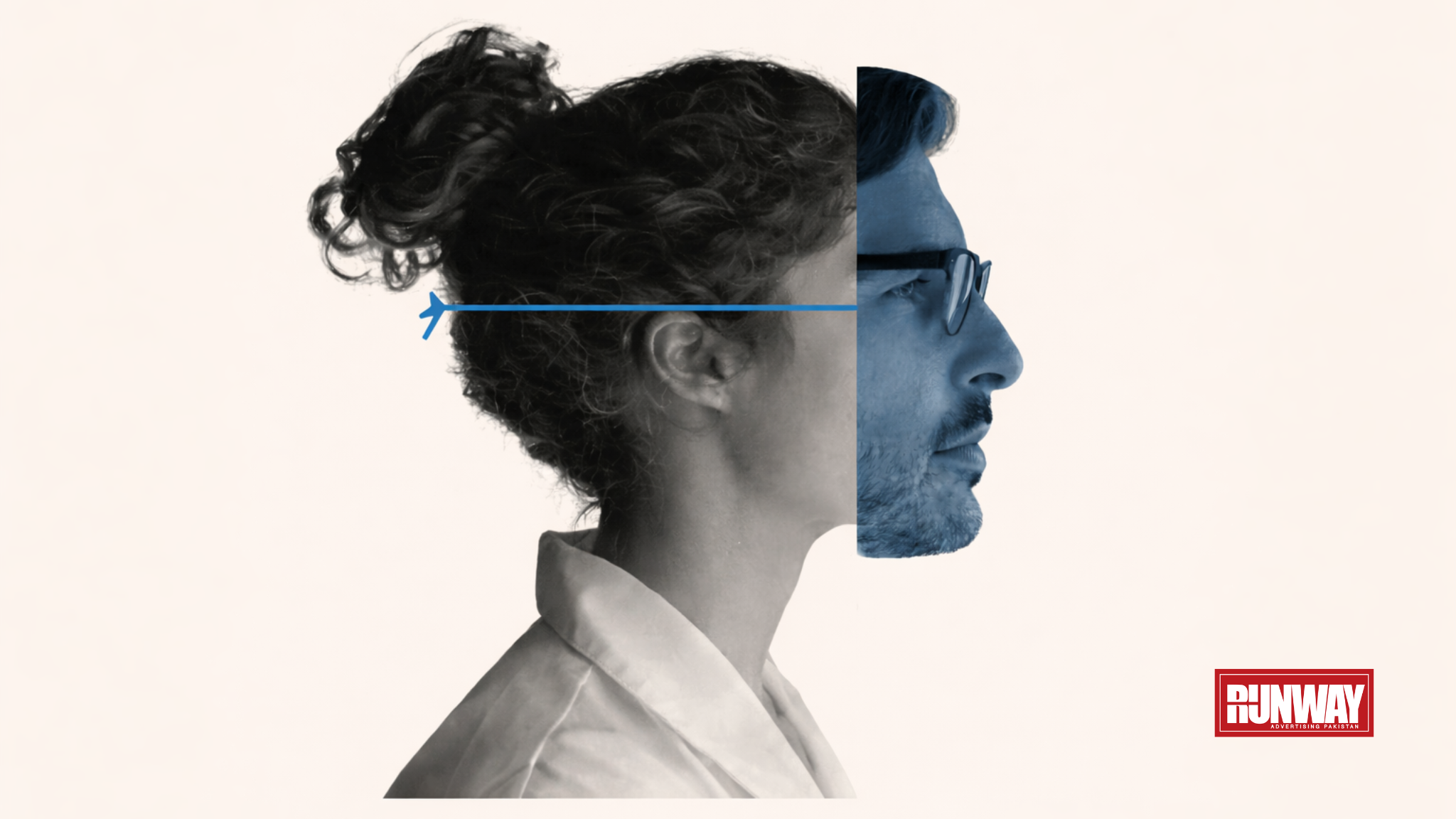
Back in 2025, someone ran a simple LinkedIn experiment that proved what a lot of women in the workplace already suspected. She changed her profile to look like a man’s and tweaked her writing style to match. Suddenly, her reach skyrocketed: four times higher than before, even though her posts were pretty much the same. The biggest shift? Just how she presented herself and who readers thought was talking. Pretty soon, people were arguing again about gender bias, so-called “professional” language, and how unseen algorithms quietly shape who gets noticed.

How “Professional” Really Means “Male”
LinkedIn likes to say it’s a fair, merit-based place for professionals. But if you actually pay attention, the style that gets rewarded: direct, assertive, confident, matches up with what’s long been tagged as male leadership. When women use these same tones, people react differently. When men do it, they sound like leaders.
Carol Kulik, a professor from the University of South Australia, points out that this isn’t just a LinkedIn thing. It plays out everywhere: creative work, technical fields, academia. If a guy’s name is on something, people judge it as better quality, even if nothing else changes. LinkedIn isn’t immune; it just mirrors what’s happening everywhere else.
What Research Actually Shows About Female Leadership
This little LinkedIn test lines up with a 2025 review of studies on female leadership. Researchers pulled together findings from management, psychology, economics, women’s studies—you name it. The big takeaway: Stereotypes about gender still block women from moving up. These old ideas shape how people judge competence, ambition, and leadership, and most of the time, they don’t even realize they’re doing it.
The review also pointed out something frustrating. Even though women are making progress early and mid-career, that doesn’t lead to equal numbers at the top. Visibility, credibility, and authority still play out differently for men and women, even when their work is just as good.
Algorithms Aren’t Really Neutral
LinkedIn says its algorithms don’t consider gender or other personal details when deciding who gets more reach. Technically, that’s true. But algorithms feed off user behavior. If people interact more with posts that “sound” authoritative in that familiar, masculine way, the system boosts those posts, no matter what the intent was.

In other words, algorithms don’t invent bias, but they sure can amplify it. When your success depends on how visible you are, even small differences in engagement add up, quietly shaping careers over time.
It’s Not Just About Gender
Not everyone who tried gender-swapping got the same results. Some women saw their reach jump, but others, especially women of color, ran into mixed or even worse outcomes. It’s messy. Gender bias doesn’t work alone. Race, class, and cultural expectations all mix in, and the big platforms haven’t figured out how to handle that.

So, while these experiments are interesting, they also show just how complicated things are. The bigger problem is that “professional” systems still reward people for fitting into a narrow mold.
What Happens Next
This LinkedIn experiment matters, not because it uncovered secret discrimination, but because it shows how deep our ideas about leadership and professionalism still run. Fixing it is going to take more than tweaking an algorithm. We need to rethink what professional credibility even means and whose voices we treat as legitimate from the start.
Until that changes, women will keep facing a tilted playing field on LinkedIn and everywhere else, even in places that claim to be all about merit.
